Tessa Young–Landon Gibson friendship
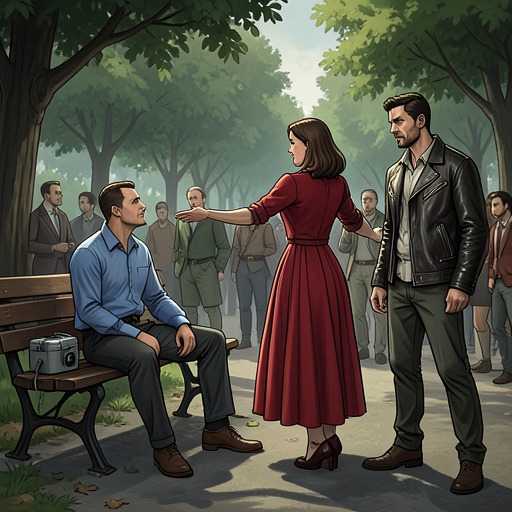
After We CollidedTessa Young–Landon Gibson friendship is the steady, candid bond Tessa relies on as her relationship with Hardin Scott leaves her humiliated, uncertain, and isolated. Landon is not merely a link to Hardin: he is Tessa’s only friend at a moment when she feels she has lost nearly everything. His support takes several forms—quiet attention, frank advice, practical help, and a willingness to tell her difficult truths—while Tessa offers him trust and counsel in return. Their closeness is marked less by grand declarations than by repeated acts of presence, especially when each is caught between loyalty to the other and the complications of Hardin’s family.
Identity and Foundations
Landon is Tessa’s best friend, but he lives at the home of Hardin’s father, Ken. Tessa recognizes the irony: the person she can turn to most freely is connected by family to the man whose betrayal has devastated her. That connection does not prevent Landon from making room for her experience. When she arrives at the house in distress, he brings her inside, notices that something is wrong, and asks what Hardin has done. Tessa is also alert to the possibility of encountering Ken and Karen, an indication that seeking refuge with Landon means entering a household still entangled with Hardin’s life.
Once Tessa is upstairs, Landon brings her water and gives her space before joining her. He sits close enough to show concern but far enough away to respect her boundaries. The small physical distance matters: his care is evident, but he does not demand immediate disclosure. When he asks whether she wants to talk, Tessa agrees. Retelling what has happened hurts, yet she finds it nearly liberating to tell him, particularly because he was not among those who already knew about her humiliation. Their friendship therefore offers something she has lost elsewhere: the chance to speak and be heard without discovering that the listener has been secretly sharing in the joke.
Support After Betrayal
Landon listens in silence while Tessa recounts the betrayal. When she finishes, he rises in anger at Hardin and at the damage done to the relationship. His reaction is not detached mediation; he is upset on Tessa’s behalf and struggles to understand why Hardin would ruin what he had with her. Even so, Landon’s response does not take the decision out of Tessa’s hands. His presence gives her space to describe what happened and register her own feelings.
The aftermath reaches beyond the breakup itself. Tessa worries that Hardin might appear at her internship or persuade Christian Vance to dismiss her. She grips a pillow as she describes how, only three months earlier, she had Noah, a close relationship with her mother, and a settled idea of her future. Now she feels she has nothing and cannot see what her life will be after Hardin. Landon urges her not to give up the internship, insisting that Hardin has already taken enough from her and that she can begin again. Tessa knows the advice is sound but cannot easily separate the rest of her life from Hardin: even the paint on her car has become part of that association. Landon does not erase that difficulty; his encouragement gives her a possible next step while she is still overwhelmed by the loss.
When Landon is about to leave, Tessa asks whether the pain will ever stop. The question makes clear that his companionship is not limited to problem-solving. She turns to him while unable to imagine when her distress will end, and he stays present through that vulnerability. Later, on her birthday in a Seattle hotel, she thanks him for his message. When he asks for the hotel’s address, she considers telling him not to make the drive but admits that she does not want to spend the rest of the day alone. She waits for him, and when he arrives an hour later, his familiar smile and embrace bring a moment of comfort. His visit makes friendship tangible across distance: he gives up the convenience of remaining away to be with her on a difficult day.
Honesty, Loyalty, and Hardin
Landon’s position is complicated by being Hardin’s stepbrother, but he does not conceal Hardin’s appeal for help. He tells Tessa that Hardin came to Ken’s house, deeply distressed, and asked for assistance in persuading her to give him another chance. Landon explains that he does not want to keep things from her. This disclosure is consequential because it lets Tessa know what Hardin has asked without requiring her to accept the request or act on it.
His judgment is deliberately qualified. Landon believes that Hardin loves Tessa and says so plainly, yet he does not claim that this love settles whether she should forgive him. He also observes that Hardin is not the same person he was when they first met, mentioning that Hardin even joked about hugging him. The change is small enough to be comic, and Tessa laughs with him, but Landon does not turn that moment into proof that the harm is repaired. His distinction between believing in Hardin’s love and withholding a recommendation to forgive him preserves Tessa’s right to judge what the betrayal means.
The conversation also shows Landon correcting a specific misunderstanding. Tessa recalls the lies, the disclosure of their intimacy to Hardin’s friends, and her belief that Hardin then slept with Molly. Landon tells her that Hardin did not sleep with Molly. He does not deny the other injuries Tessa names or suggest that the correction cancels them. His role is to offer information as he understands it, not to replace Tessa’s account of what has been done to her.
Reciprocal Trust and Practical Care
Tessa is not only a recipient of Landon’s care. When he raises the subject of her father, he appears to assume that she already knows what her mother has not told her; his hesitant approach shows that he is bringing her troubling information rather than treating her confidence casually. Later, during a serious conflict between Hardin and Ken, Landon is present with the family, and Tessa sees his fear as the argument escalates. Afterward, she encourages Hardin to contact Ken so that one violent confrontation will not destroy the beginning of the relationship they had been forming. Her advice reflects a close understanding of Landon’s family world, even as she remains alert to the pain inside it.
At a later crisis involving Hardin’s detention after attacking Zed, Landon again helps Tessa think through immediate decisions. He suggests that she consider asking Zed not to press charges, while recognizing that she fears Hardin’s reaction if she goes near Zed. Landon does not pretend to have an easy solution; he admits that he does not know what else to suggest. When Tessa realizes she has no car, he hands her his keys so she can drive to Grandview Hospital. She thanks him, hugs him tightly, and reflects that she does not know what she would do without him. The thought of his approaching departure saddens her, though she puts it aside because she must deal with the immediate crisis.
Significance and Continuing Bond
Across these episodes, Landon’s friendship provides continuity without becoming a simple endorsement of either Hardin or Tessa’s choices. He can be angry at Hardin, believe Hardin loves Tessa, correct a claim about Molly, and still leave forgiveness to Tessa. That mixture of affection, candor, and restraint distinguishes his support from pressure to reconcile. His visits and practical gestures matter precisely because they do not solve the underlying conflict: the water, the patient listening, the birthday drive, the keys, and the tight hug help Tessa face it without facing every moment alone.
The friendship also has a precarious horizon. Landon is leaving soon, and Tessa knows that the person who has become her only friend will not always be immediately available. The prospect hurts, but the bond has already helped her name her pain, protect her internship, hear difficult information, and navigate a crisis. Its significance lies in that dependable companionship amid fractured relationships: Landon cannot restore Tessa’s former life, but he helps her retain choices and connection while she tries to build what comes next.